Boiled Eggs for Weight Loss: Can This Popular Diet Really Work?
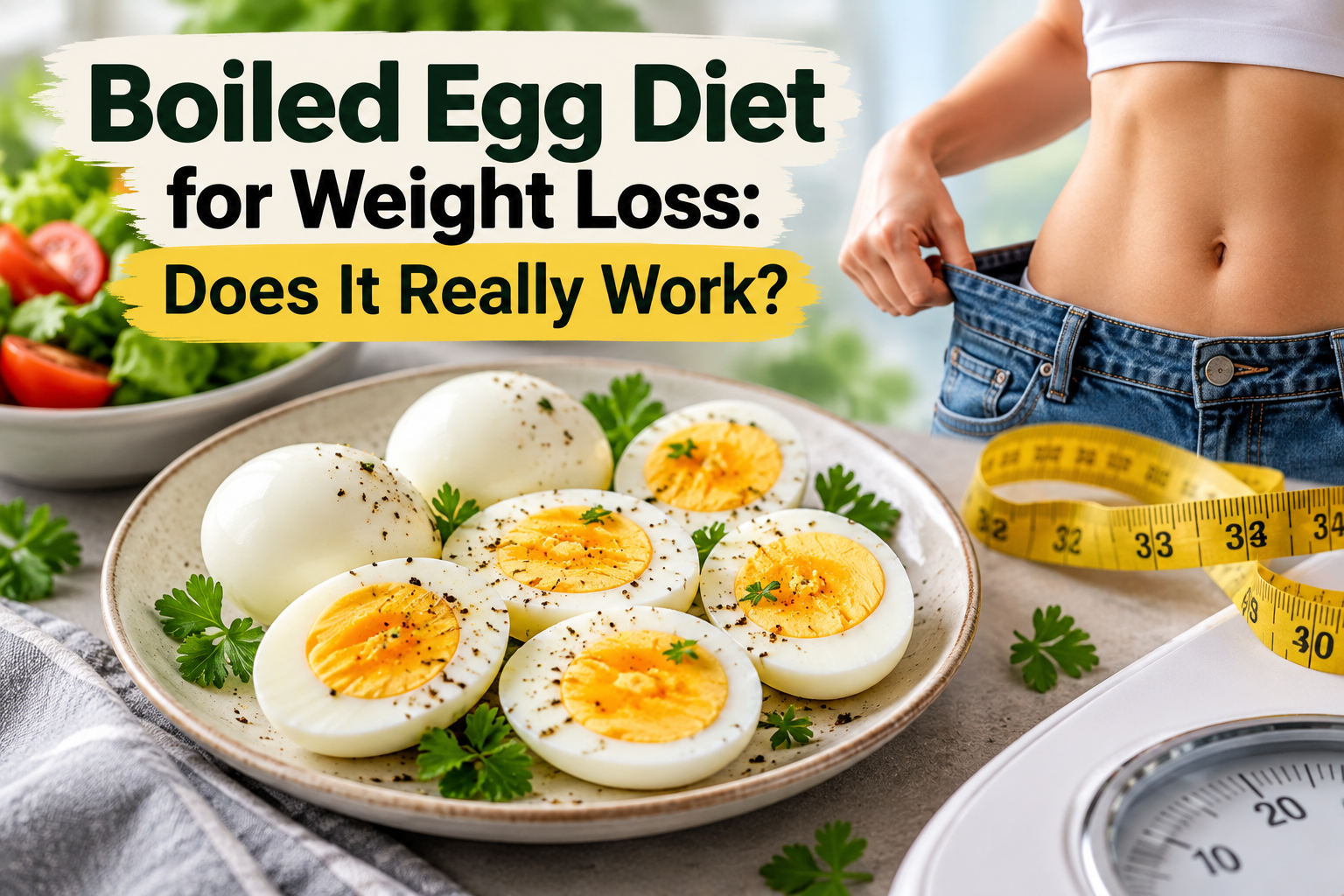
The boiled egg diet has become a popular topic among people looking for a simple way to lose weight. The idea sounds easy enough: eat several boiled eggs during the day, keep meals low in calories, and expect the number on the scale to drop.
But there is an important question behind the trend: does the boiled egg diet actually help with long-term weight loss, or is it simply another restrictive diet that gives temporary results?
Eggs can certainly be part of a healthy eating plan. They provide protein and several important nutrients, and boiled eggs are convenient because they don’t require cooking oil or complicated preparation. The problem begins when eggs become the main food in an overly restrictive diet.
Weight loss is generally influenced by overall calorie intake, food choices, physical activity, sleep and other lifestyle factors. A healthy eating pattern that can be followed for a long time is usually more useful than a short diet built around one food.
What Is the Boiled Egg Diet?
The boiled egg diet is not one single standardized diet. Different versions can be found online, but most involve eating boiled eggs regularly while limiting foods such as bread, sweets, processed snacks and other higher-calorie foods.
Some versions encourage eggs at breakfast and include lean protein, vegetables and certain fruits at other meals. More restrictive versions may tell people to eat eggs several times a day while cutting out many other foods.
This difference matters because eating boiled eggs as part of a balanced diet is very different from eating almost nothing except eggs.
There is nothing magical about boiling an egg. Boiling simply prepares the egg without adding cooking oil or butter. If someone loses weight while following an egg-focused plan, the main reason is likely to be the overall eating pattern and reduced calorie intake, rather than the egg itself.
Why Eggs Can Be Helpful During Weight Loss
Eggs can be a useful food for people trying to manage their weight because they contain protein and are easy to prepare.
Protein can make meals feel more satisfying, which may help some people manage hunger between meals. A boiled egg is also easy to carry to work, school or other places, so it can be a convenient alternative to highly processed snacks.
Eggs also fit into the broader range of protein foods recommended as part of a healthy eating pattern. Health guidance from the National Institute of Diabetes and Digestive and Kidney Diseases includes eggs alongside foods such as seafood, lean meats, beans, peas, lentils, nuts and seeds.
The key is variety. Eggs can be one part of the meal rather than the entire meal.
For example, two boiled eggs with vegetables, whole-grain toast and a piece of fruit is a very different meal from eating eggs alone and avoiding almost everything else.
Does the Boiled Egg Diet Really Cause Weight Loss?
It can lead to weight loss for some people, but the explanation is more complicated than simply saying that eggs burn fat.
If a person starts eating fewer calories than their body uses, weight loss can occur. A restrictive egg diet may naturally reduce calorie intake because it removes many foods and snacks from the daily routine.
That does not mean the boiled egg itself is responsible for losing body fat.
According to NIDDK guidance, reducing overall calorie intake as part of a healthy eating plan can support weight loss. The organization also recommends a combination of vegetables, fruits, whole grains and different protein sources rather than relying on one food.
This is why someone might see the scale move quickly during the first few days of a restrictive diet. Some of the early change can also come from shifts in water and food stored in the digestive system, not just body fat.
The Biggest Problem With an Egg-Only Approach
The main concern with a very restrictive boiled egg diet is that it can leave little room for dietary variety.
Your body needs more than protein. A balanced eating pattern includes sources of fiber, carbohydrates, healthy fats, vitamins and minerals. Vegetables, fruits, whole grains, beans, nuts, seeds and other foods all contribute different nutrients.
Eating mostly eggs can make it harder to get enough fiber, for example. Fiber is found mainly in plant foods such as fruits, vegetables, beans and whole grains.
A restrictive diet can also become difficult to follow. Someone may manage it for a few days or weeks and then return to their usual eating habits because the plan feels too limited.
NIDDK notes that a successful weight-loss approach should include a healthy reduced-calorie eating plan, physical activity when appropriate, support and a strategy for maintaining weight loss.
What About Eating Eggs Every Day?
For many people, eggs can fit into a healthy diet. But the amount that is appropriate can vary depending on the rest of the diet and individual health circumstances.
Instead of asking whether eggs are a “weight-loss food,” it can be more helpful to ask how they fit into your overall meals.
A breakfast containing eggs, vegetables and whole grains can be balanced and filling. A lunch with eggs, a large salad, beans and a whole-grain side can also work well.
The rest of the plate matters.
If eggs are being served with large amounts of butter, processed meat, cheese or other high-calorie foods, the meal can become much more calorie-dense. On the other hand, pairing eggs with vegetables and other nutrient-rich foods can make a more balanced meal.
A Better Way to Use Eggs for Weight Loss
If you enjoy boiled eggs, there is no need to remove them from your diet just because you’re trying to lose weight.
Instead, use them as one convenient protein source.
For breakfast, try boiled eggs with tomatoes, spinach and whole-grain toast. For lunch, chop an egg into a large salad with leafy greens, cucumber, carrots and beans.
For a quick snack, one boiled egg can be paired with fruit or vegetables.
You can also prepare several eggs in advance and keep them refrigerated, making it easier to choose a simple food when hunger hits.
This approach is much less restrictive than following a diet where eggs are expected to make up most of your meals.
What Should You Eat Along With Eggs?
A healthy weight-loss meal doesn’t have to be complicated.
Try building meals around a few basic food groups:
- Eggs or another protein source
- Plenty of vegetables
- Whole fruits
- Whole grains or another source of carbohydrates
- Small amounts of healthy fats
For example, a simple dinner could include two eggs, a large vegetable salad, a serving of brown rice and a little avocado.
Another meal could include eggs with sautéed vegetables and whole-grain toast.
These combinations provide more variety than an egg-only plan and may be easier to continue over time. NIDDK recommends meals that include nutrient-rich foods such as vegetables, fruits, whole grains and protein foods.
Don’t Expect Overnight Results
One of the biggest attractions of restrictive diets is the promise of fast results. But sustainable weight management usually takes more patience.
The CDC says people who lose weight gradually, around 1 to 2 pounds per week, are more likely to keep it off than people who lose weight faster. Individual results can vary considerably depending on factors such as food intake, activity, medications, medical conditions, age and other circumstances.
That means there is little reason to panic if your weight does not change dramatically after a few days.
Instead of focusing only on the scale, look at your eating habits as a whole. Are your meals balanced? Are you eating enough vegetables and fiber? Are you getting regular physical activity? Can you follow the plan without feeling constantly hungry or deprived?
Those questions are often more useful than searching for one food that will make weight disappear quickly.
Who Should Be Careful With Restrictive Diets?
A very restrictive diet may not be appropriate for everyone.
People with certain medical conditions, those taking medications that affect blood sugar or weight, pregnant or breastfeeding people, and anyone with a history of disordered eating should speak with a qualified healthcare professional before making major dietary changes.
It is also worth getting professional advice if you are trying to lose a significant amount of weight or if previous diets have repeatedly led to weight regain.
Weight management can be affected by medical conditions, medications, stress, genetics, hormones, age and other factors. It is not simply a matter of willpower or choosing the right food.
So, Is the Boiled Egg Diet Worth Trying?
The boiled egg itself can absolutely be part of a healthy weight-loss diet. The idea that eating eggs alone will automatically burn fat, however, is misleading.
If an egg-focused diet causes someone to eat fewer calories, the person may lose weight. But that does not make the diet a special fat-burning strategy, and a highly restrictive version may be difficult to maintain.
A better approach is to keep the boiled eggs and lose the unnecessary restrictions.
Pair eggs with vegetables, fruit, whole grains and other nutritious protein sources. Pay attention to portions, stay physically active and choose an eating pattern you can realistically continue.
In the end, successful weight loss is less about finding one miracle food and more about building everyday habits that work in real life. Boiled eggs can be part of that picture, but they don’t need to be the whole picture.